What to Know About the Health Risks of Chemical Hair Straighteners The New York Times
Table Of Content
Plus, its survival rate is only getting worse, possibly from a rise in more aggressive types of uterine cancer. While the study data are statistically significant, they present what's ultimately "a small attributable — or extra — risk," says Susan Modesitt, MD, the director of the gynecologic oncology division at Emory University's Winship Cancer Institute and editor-in-chief of Gynecologic Oncology Reports. "People just hear 80-percent increased risk and panic, but it's 80 percent of a really tiny risk." In other words, your entire risk isn't 80 percent; it's 80 percent of that 1.64 percent among those who've never used relaxers — an increase of 1.18 percent, which, she says, is still pretty small. “In our study, women who reported using non-lye relaxers were pretty much just as likely to report scalp burns as those who use lye relaxer,” she said.
What are the health risks of formaldehyde hair straightening products?
Claudette Grant, community outreach and engagement specialist at UVA Cancer Center, says the study adds another layer to an already complex dialogue in the Black community about hair relaxers. And deaths from uterine cancer are highest in Black women, according to the National Cancer Institute. But with more discussion of self-care as well as self-acceptance in the last decade or so, use of relaxers has dipped significantly.
Get The Latest Health Matters News

Evidence has been building for years demonstrating the potential harms of formaldehyde-releasing hair products. Health Matters spoke with Dr. Balogun about why chemical straighteners may be linked to certain types of cancer and how the risk can be decreased. For many years research has been inconclusive when it comes to hair products, with some studies confirming a cancer link and others not. This hormone disruption is a concern, especially when it comes to hormone driven cancers like breast, prostate and ovarian cancers. Women should visit their doctors if they have any symptoms of pain in the pelvic area or abnormal vaginal bleeding.
Allure Daily Beauty Blast
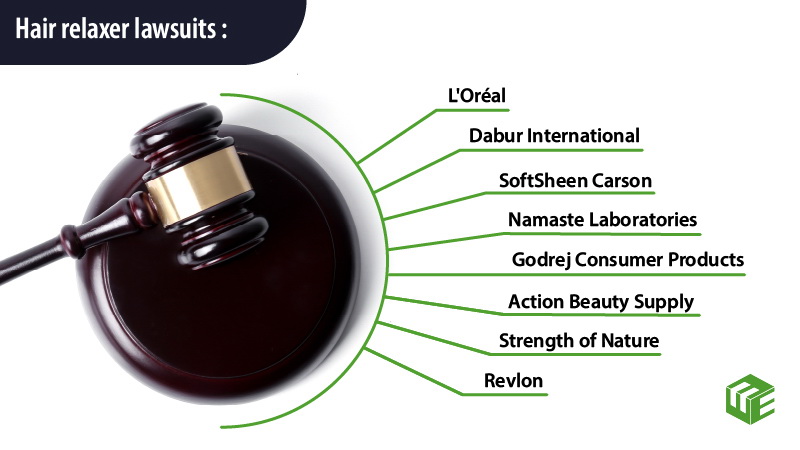
The lawsuits follow the October publication of a National Institutes of Health study that found women who used the products multiple times a year were more than twice as likely to develop uterine cancer. Nearly 60 lawsuits claiming hair relaxer products sold by L’Oréal and other companies cause cancer and other health problems will be consolidated in a Chicago federal court, according to a Monday order from the US judicial panel on multidistrict litigation. Bhonopha, whose lawsuit was filed Oct. 21, believes her fibroids were directly caused by her regular and prolonged exposure to phthalates and other endocrine disrupting chemicals found in the hair care products she used. Many salons have alternative hair smoothing products that don’t release formaldehyde when heated.
"Most of them were endometrioid [tumors], which is interesting because that is the more common subtype of endometrial cancer — and is driven by hormonal factors," Dr. Matulonis says. Permanent hair dyes, which make up about 80% of currently marketed hair dye products, use colorless dye intermediates and dye couplers. In the presence of hydrogen peroxide, the intermediates and couplers react with one another to form pigment molecules. Other factors put Black women at risk for developing uterine cancer, including age, obesity and family and reproductive history, Bertrand added. In Abrams’ study — which included women of different races ages 21 to 45 — Black women accounted for the greatest population of people who had started using relaxers at age 10 or younger. More than 50% of the Black participants in the study also had used hair relaxers before they reached age 10.
People who use hair straightening chemicals have an increased risk of cancer
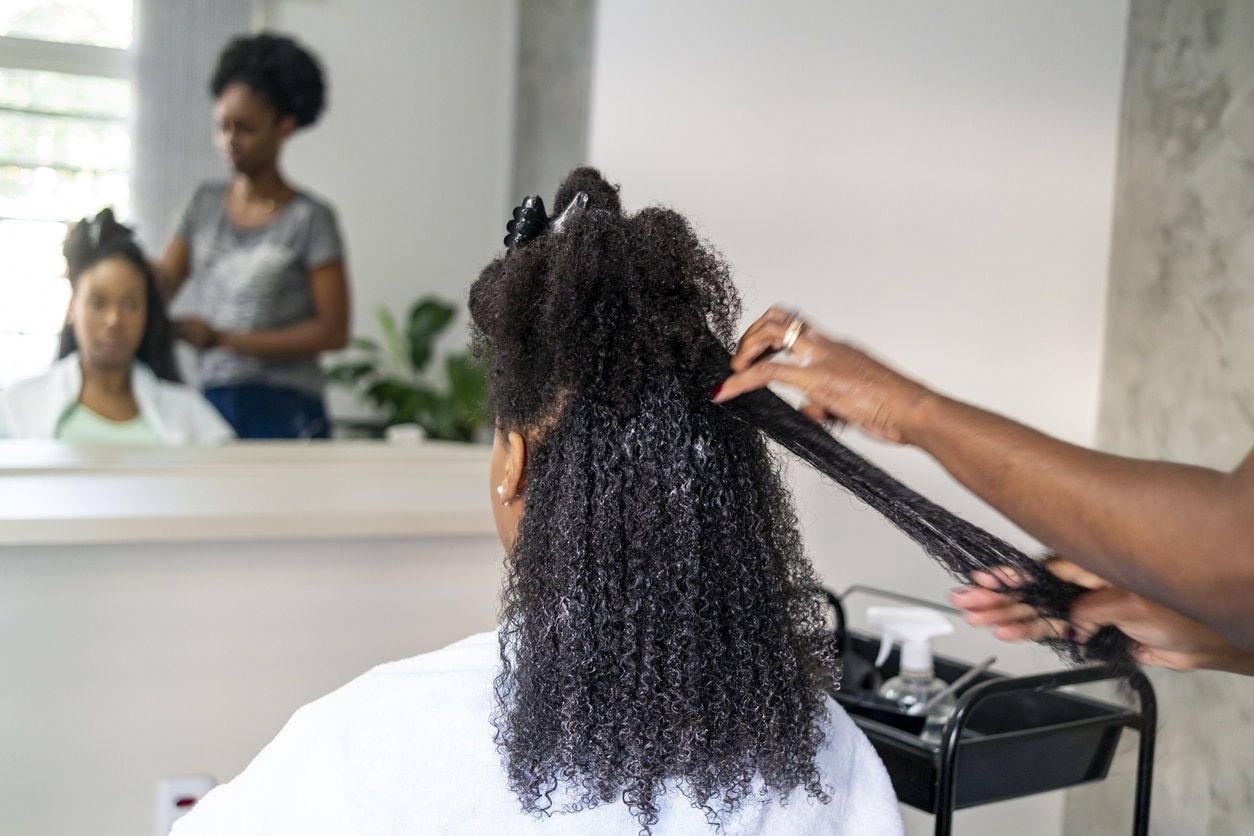
Several landmark studies have been published in the last year highlighting the link between chemical hair relaxers — which break down proteins in hair to straighten it — and increased rates of uterine cancer. And last week, after pressure from Democratic Reps. Ayanna Pressley of Massachusetts and Shontel Brown of Ohio, the Food and Drug Administration proposed a ban on hair-smoothing and hair-straightening products containing formaldehyde, an ingredient known to cause cancer. Rugieyatu Bhonopha, 39, of Vallejo, California, and Jenny Mitchell, 32, a Missouri resident whose plans to have children were dashed when she was diagnosed with uterine cancer at 28 and underwent a hysterectomy, both have filed lawsuits. They, like the other women, said they used chemical hair straighteners because they felt societal pressure — including from employers — to wear their hair straight and to try to meet white beauty standards. This has changed over time as more women embrace their natural hair textures and wear natural hairstyles. After an average of nearly 11 years of follow-up, women who had reported using hair straightening products were almost twice as likely to have developed uterine cancer than those who did not, after adjusting for other factors that might affect risk.
We can’t say that it’s only the fault of these parabens, phthalates, formaldehyde, and other chemicals. But we can say that in general, if there is an increase in mortality, maybe part of this is a manifestation of years and years of exposure to these hair straighteners. What kinds of chemicals are in these products, and why might they be cause for concern? These products are full of chemicals, and some may be combined with formaldehyde; formaldehyde has been considered carcinogenic and is the same chemical used to preserve dead bodies.
Woman a part of lawsuit on chemical hair straighteners speaks out - 11Alive.com WXIA
Woman a part of lawsuit on chemical hair straighteners speaks out.
Posted: Thu, 02 Nov 2023 07:00:00 GMT [source]
By the end of the demo clip she is smiling into the camera, glossy-lipped, with an air of satisfaction and shiny, straight, blown-out tresses falling past her shoulders. There was never anything on the products' packaging, they said and their lawsuits allege, indicating that normal use of the products could cause them to develop uterine fibroids or breast or uterine cancer. The health risks are greatest among Black women due to higher use of these products, evidence consistently shows.
What Black Women Need to Know About Breast Cancer
“It actually breaks the chemicals of your natural texture and straightens it,” she says. Women who use chemical hair straighteners and relaxers may have a higher risk of uterine cancer, according to a new study from researchers at the US National Institutes of Health (NIH). According to this month’s BWHS, women who reported using hair relaxers more than twice a year or who used them for more than five years had a greater than 50% risk of developing uterine cancer compared to those who rarely or never used relaxers, additional data from the study shows.
Approximately 60% of the participants who reported using straighteners in the previous year were self-identified Black women, according to the study published in the Journal of the National Cancer Institute. Although, the study did not find that the relationship between straightener use and uterine cancer incidence was different by race, the adverse health effects may be greater for Black women due to higher prevalence of use. Another study published in 2022 shows the first epidemiologic evidence of an association between hair straightening product use and uterine cancer.
FDA considers ban on some Black women's hair products that have caused years of harm - ABC News
FDA considers ban on some Black women's hair products that have caused years of harm.
Posted: Fri, 20 Oct 2023 07:00:00 GMT [source]
A Black woman’s five-year survival is 62%, compared to 84% for a white woman who’s diagnosed with endometrial cancer here in the U.S. That’s one of the highest cancer disparities that exists, and we need to understand why it’s happening. The trend showed the higher increase in risk was for women dying their hair darker, not those dying their hair lighter. There's currently no way to screen for uterine cancer, so it's essential to know what the symptoms are, especially if you think you may be at a higher risk due to genetics or your lifestyle. It usually presents through vaginal spotting in postmenopausal women, while "in women who are still menstruating, it's heavier bleeding or bleeding between periods," Dr. Matulonis.
What are some safer alternatives for people who want to continue to straighten their hair without exposing themselves to harmful chemicals? You can even use a combination of blow-drying your hair out and then flat-ironing it. But these methods can adversely affect the texture of the hair long term, so you’d want to use them sparingly. While uterine cancer is relatively rare, with 60,000 cases diagnosed annually, that number is rising each year, says Ursula Matulonis, MD, the chief of the gynecologic oncology division at the Dana-Farber Cancer Institute in Boston, MA. "One thought has been that our population is more obese and that the body mass index of women has increased in the United States," she says.
Larry Taylor Jr., an attorney at The Cochran Firm in Dallas, said thousands of women from their 20s to their 50s have filed suits alleging they developed ovarian, cervical and endometrial cancers from using hair relaxers. Bertrand’s study found that postmenopausal Black women had a greater risk of developing uterine cancer if they used hair relaxers more than twice a year or consistently for more than five years. Weighing the risks of using these products has largely been left to consumers because relaxers and hair straighteners are considered cosmetic products, the US Food and Drug Administration said in an emailed statement.
In 2010, a report from the International Agency for Research on Cancer (IARC) concluded that some of the chemicals professional hairdressers are exposed to are “probably carcinogenic to humans” (6). This conclusion is based on many studies that have found an increased risk of bladder cancer in hairdressers and barbers who were occupationally exposed to hair dye (1, 7). A 2010 meta-analysis of 42 studies found that the longer someone had worked as a hairdresser, the more likely they were to have developed bladder cancer. Those who had been hairdressers for at least 10 years were nearly twice as likely to develop bladder cancer as those who had never worked as a hairdresser (7). In the mid- to late 1970s, manufacturers changed the components in permanent hair dye products to eliminate some of the carcinogenic chemicals used as dye intermediates (1, 3, 4). It is not known whether any of the chemicals still used in hair dyes are carcinogenic (5).
Some of these chemicals were found in hair relaxers marketed specifically toward children, according to the institute’s research. But the FDA currently does not regulate the use of these chemicals in cosmetics and did not respond to a request for comment. The problem is that now more than ever, the risks of wearing relaxers has been clearly laid out. In groundbreaking research released in October, a National Institutes of Health study of about 34,000 women ages conducted over almost 11 years found the women who reported using chemical straighteners had double the risk of uterine cancer faced by women who didn’t use these products.


Comments
Post a Comment