Tennessee General Assembly Legislation
Table of Content
Be sure to have the retailer clearly state in writing, its responsibilities and warranty coverage for the home’s transportation and installation. Mobile homes, lodging and recreational vehicle parks, and recreational camps are licensed annually by the Department of Health through Florida's 67 County Health Departments, in accordance with Chapter 513, Florida Statutes and Chapter 64E-15, Florida Administrative Code. The sale of a new factory-manufactured home is subject to sales tax on the total installed price at one-half of the normal state sale tax rate (3.50%). Get access to the Tennessee Sample Rules and Regulations for a Mobile Home Park with US Legal Forms, the most comprehensive catalogue of lawful record templates. Use 1000s of expert and status-certain templates that meet your organization or individual requirements and requirements.

This bill revises the above provisions to require any employee of a licensed retailer who is directly involved in the installation of a manufactured home to be certified. This bill also requires applicants for certification to pay a fee to be set by the commissioner by rule. In addition to the requirements of subdivisions , or , installation shall comply with federal emergency management agency regulations applicable to flood zones. There are several insurance companies that specialize in offering insurance coverage for manufactured homes. Many manufacturers also provide homes that are “accessible” for those with special needs. If you are interested in such a home, work with your retailer to order a home with accessible features, such as extra-wide halls and doorways, accessible counters and appliances, and specially equipped bathrooms.
Rocky McElhaney Law Firm
In some states, you may also buy from a manufactured home community owner, developer, or if you’re purchasing a previously owned home, a real estate agent. Unlike many states, at the present time there are no statewide requirements in Illinois for the entire installation of manufactured homes. Under the Act, "manufacturer" means any person engaged in manufacturing and assembling manufactured homes. This bill specifies that this includes rebuilding, reassembling, refurbishing, or any other such act as to construct or prepare a manufactured home for sale to a consumer. Today’s manufactured homes come with the “standard” features you would find in a site-built home. Many floor plans are available which range from basic models to more elaborate designs which feature vaulted ceilings, drywall, fully equipped modern kitchens, comfortable bedrooms with walk-in closets, and bathrooms with recessed bathtubs and whirlpools.
Local laws should be consulted to determine any specific requirements for such a form in a particular jurisdiction. Under present law, the Uniform Standards Code for Manufactured Homes Act applies to "park trailers." This bill removes park trailers from the Act and adds "park trailers" to those "recreation vehicles" covered under present motor vehicle laws. This bill defines "park trailer" as a vehicular unit that is built on a single chassis, mounted on wheels, designed to provide seasonal or temporary living quarters, may be connected to utilities necessary for operation of installed fixtures and appliances, and consists of a gross trailer area that does not exceed 400 feet.
Manufactured Housing Installation Decal
This bill makes this provision applicable to employees who "may perform installation work of manufactured homes" instead of employees who "will or may be physically present on site at the time of set-up of any manufactured home." As an alternative to or , the home may be installed according to the instructions contained in ANSI 225.1, 1994 Edition, until such time as federal standards are implemented pursuant to the Manufactured Housing Improvement Act of 2000, at which time the federal standards will supplant the ANSI 225.1, 1994 Edition, instructions. Under present law, an applicant for a manufacturer's license must pay an application fee of $100 and an applicant for a retailer's license must pay a fee of $40.00.
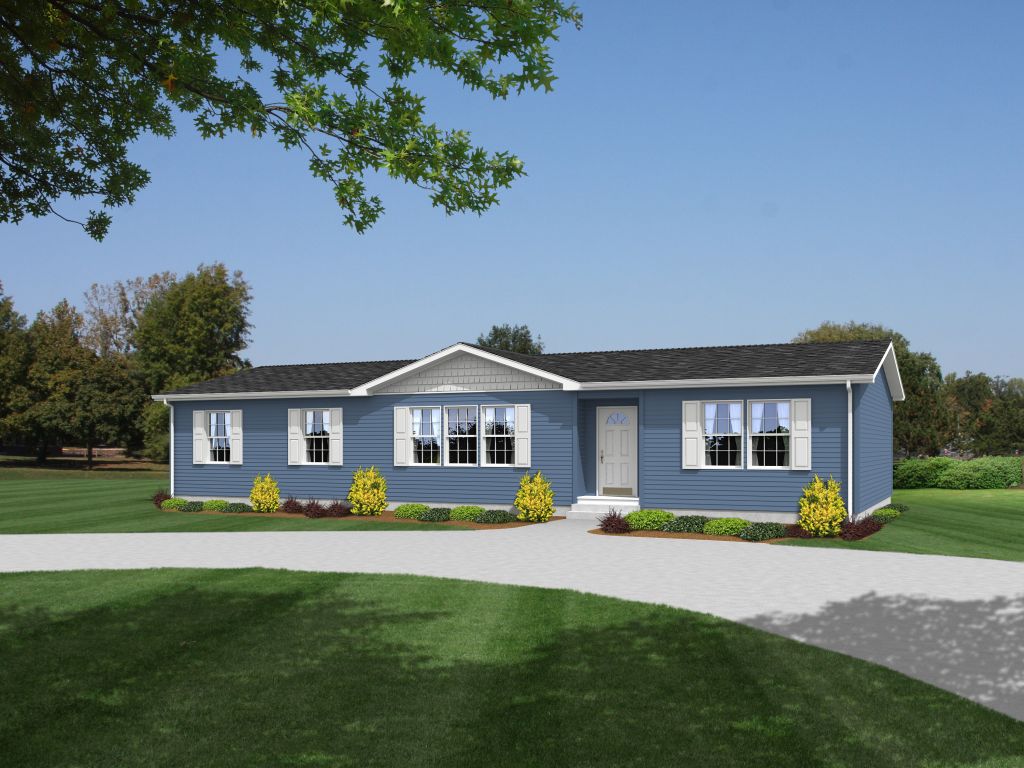
Tennessee law requires all manufactured homes be installed by a licensed, trained installer. This is to ensure the instructions of the manufacturer of a new home, or the state code applicable to used homes, have been correctly completed. Under present law, the application for a license as an installer must specify each employee who has been certified by the commissioner as having successfully completed the examination for manufactured home retailers and installers and who will or may be physically on site at the time of set-up of any manufactured home.
Tennessee Modular Building Act
Every design you put into your bank account does not have an expiration date and it is your own property eternally. So, in order to down load or print out one more backup, just go to the My Forms section and click about the kind you require. The retailer also has distinct responsibilities in the installation and servicing of the home.
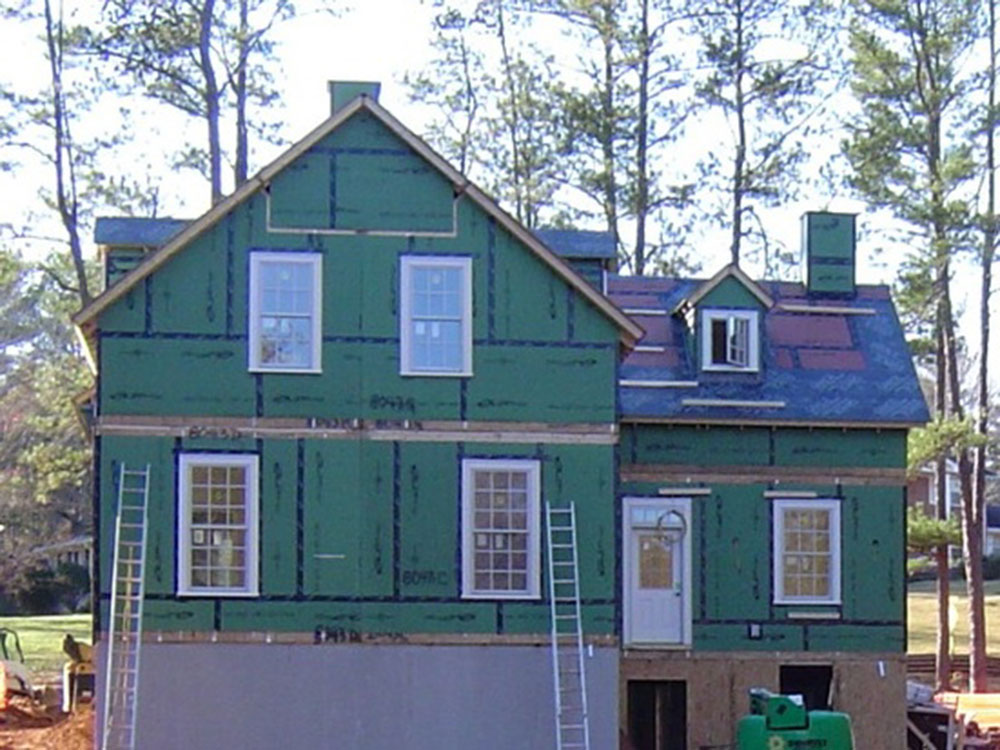
Once you’ve moved in, the retailer is often the contact for warranty service. Most states do not allow you to purchase a home directly from the manufacturer. While you should perform minor repairs and upkeep on the home, just as with any home, it is advisable to hire a professional for more extensive repairs and renovations. Once your home has left the factory, the HUD Code does not include provisions for additions and alterations. Even if your home and some of its appliances do not have a written warranty, the buyer does have implied warranties under state laws which require a new home and new appliances to work normally and perform properly. It is unlawful to occupy any manufactured home in this state, unless the manufactured home has been installed by a person licensed by the commissioner to make such installation.
Weather Related Questions
Today’s manufactured homes are indistinguishable from site-built homes, and are fully compatible with any neighborhood architectural style. Manufactured homes are built in a factory under a federal building standard administered by the U.S. The Federal Manufactured Home Construction and Safety Standards went into effect June 15, 1976.
Off-frame modular homes are lifted by a crane off the transportation carrier and placed on a foundation. The State of Tennessee, Department of Commerce & Insurance, denotes ALL modular homes with a green certification label, regardless if the structure is on-frame or off-frame.The building code denotes the structure type, and not the presence of a frame. Manufactured homes, also referred to as factory built or system built housing, are primarily comprised of manufactured and modular homes. 95 percent of manufactured homes, and all modular homes, are permanently sited and built with the same materials as site-built homes. As an alternative to or , the home may be installed according to the instructions in ANSI 225.1, 1994 Edition, until such time as federal standards are implemented pursuant to the Manufactured Housing Improvement Act of 2000, at which time the federal standards shall supplant the ANSI 225.1, 1994 Edition, instructions. Under present law, the licensing requirements of the Uniform Standards Code for Manufactured Homes Act do not apply to individual employees of a licensed retailer; however, at least one employee of a licensed retailer who is directly involved in the installation of a manufactured home is required to be certified by the commissioner.
Besides transport expenses, which include licensing fees to take your home through a state, you’ll have to pay for a new foundation, installation, and utility hook-ups. Just as there are choices when you buy a site-built home, there are a variety of financing options when you buy a manufactured home. Down payments and loan terms are similar – 5 to 10 percent of the manufactured home’s sales price, and loan terms of 15 to 30 years.
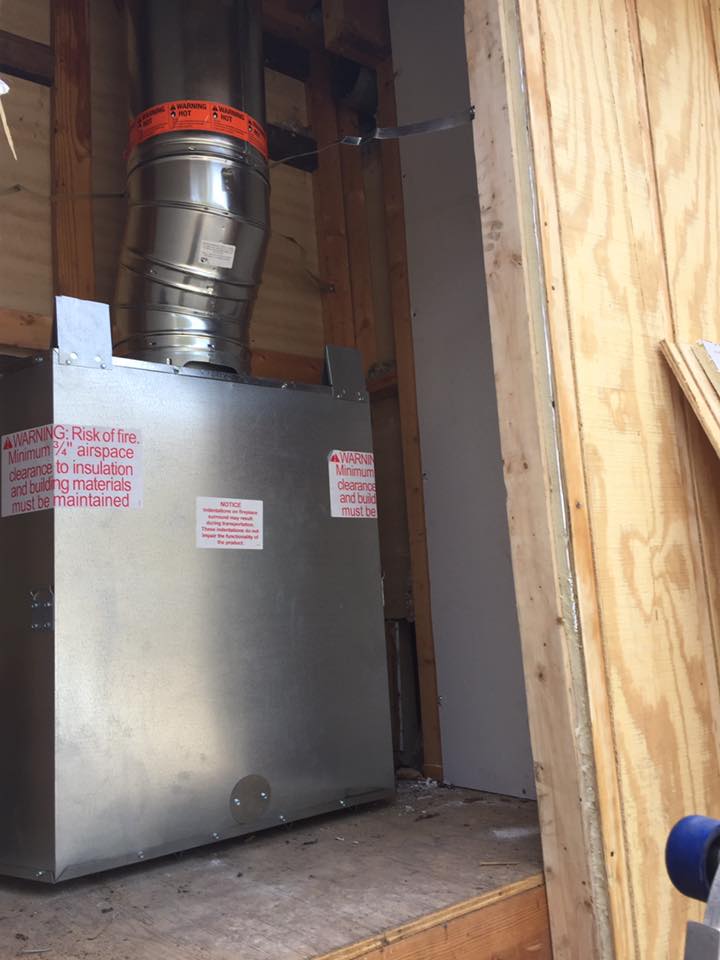
The weather does not interfere with construction, cause costly delays or warp and damage building materials. The Mobile Home Park Act requires all communities with five or more homes to be licensed by the Illinois Department of Public Health unless the community is located in a home rule unit. Generally, municipalities with a population of 25,000 or more are home rule units. While, theoretically, a manufactured home can be moved after its initial placement, it is neither common nor advisable to do so. If you relocate, make sure you use a professional transporter; never try to move the home yourself.
Again, in Tennessee, a consumer may not occupy a manufactured home which has not been installed by a person licensed by the State of Tennessee to perform such duties. The HUD Code regulates and monitors the manufactured home’s design and construction, strength and durability, transportability, fire resistance, energy efficiency and overall quality. It also sets standards for the heating, plumbing, air-conditioning, thermal and electrical systems.


Comments
Post a Comment